

As the weather gets colder, the risk of spreading germs and illnesses rises, especially through high-touch surfaces. These commonly used areas can easily collect bacteria, viruses, and other germs. That’s why regularly cleaning high-touch surfaces at home is crucial for maintaining a healthy and hygienic environment and lowering the chances of getting sick.
I can’t over-emphasise how important regular cleaning is for keeping your family safe and your home clean. High-touch surfaces, in particular, deserve extra care, and here’s why. In this article, we’ll break down the importance of giving these areas proper attention and how we can help keep them sanitised and free from harmful germs.
What are High-Touch Surfaces?
High-touch surfaces are surfaces frequently touched by people. These surfaces can easily collect germs, viruses, and fingerprints, especially when guests visit. This makes them potential areas for spreading germs and illness.
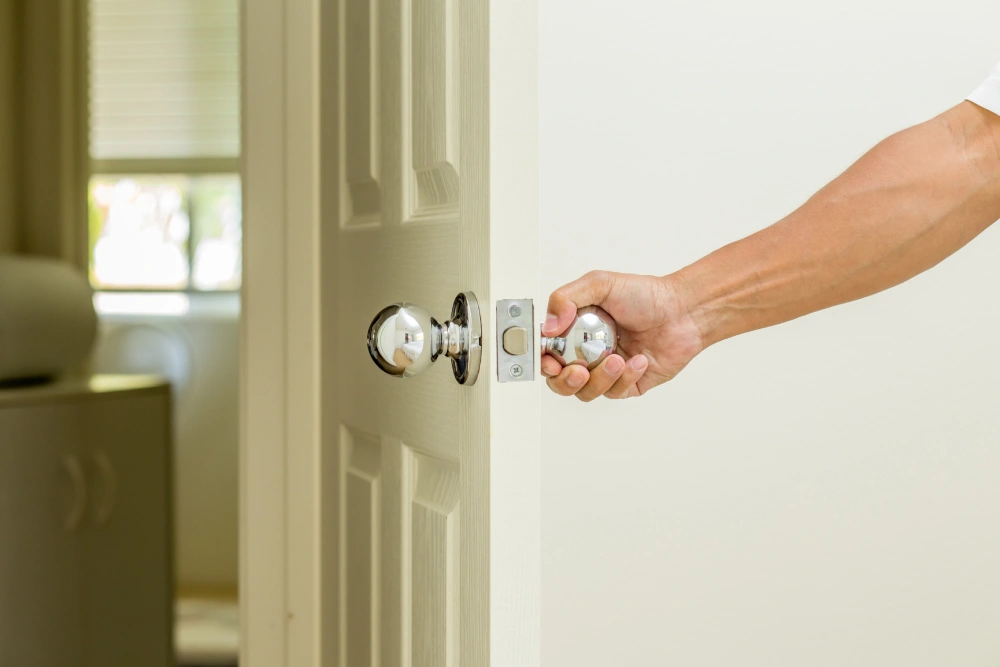
Examples of High-Touch Surfaces
Doorknobs and Handles
Doorknobs and handles are among the most frequently touched surfaces in any home. From the front door, bathroom handle, or even cabinet pulls, we reach for them multiple times a day, often without even noticing.
Light Switches
Light switches are usually the first thing you touch in the morning, the last at night, and several times in the day. Since they’re often missed during regular cleaning, germs can build up on them fast.
Mobile Phones and Tablets
Think about all the places your phone has been: bathrooms, gym, kitchen, restaurants. Your mobile phone could be the dirtiest item you own, carrying more bacteria than a toilet seat.
Remote Controls
TV and AC remotes are touched all the time but rarely cleaned. Every time you change the channel or adjust the temperature, you’re likely spreading germs without even realising it.
Bathroom Faucets and Toilet Handles
Bathrooms are obvious breeding grounds for germs and bacteria. High-touch areas like faucet handles, toilet flush levers, and soap dispensers should be cleaned daily to keep them hygienic.
Kitchen Countertops and Appliance Handles
The kitchen is usually the heart of the home, but it’s also one of the places where germs tend to gather the most. Between cooking, unpacking groceries, and daily use, kitchen surfaces can quickly become contaminated.
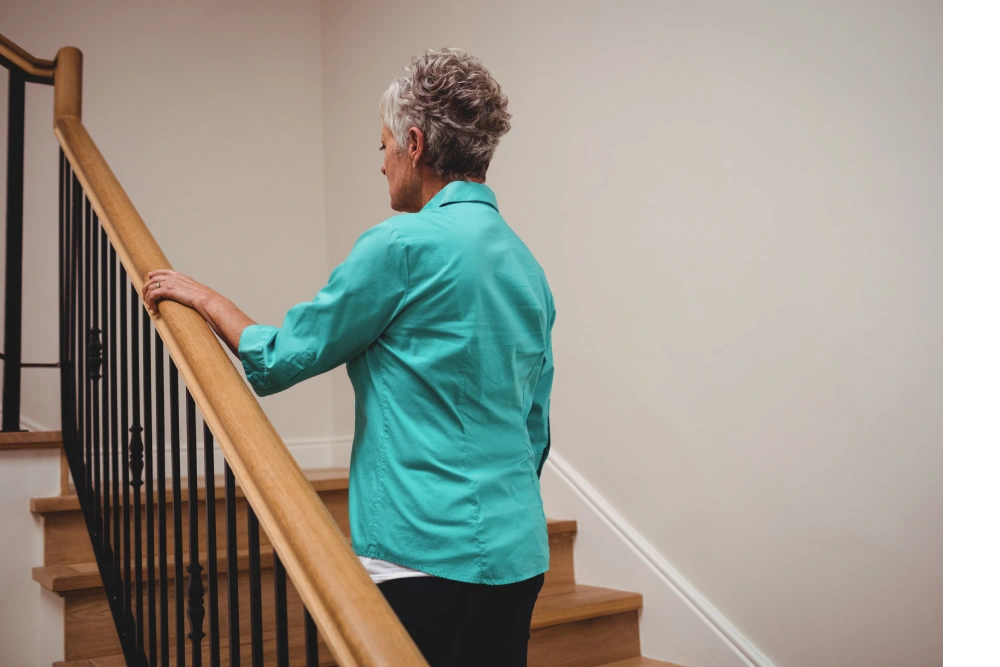
Handrails and Staircase Bannisters
Handrails and bannisters in multi-story homes, apartments, or commercial spaces are used daily but rarely cleaned. This is particularly concerning in public buildings or shared spaces where multiple hands grip them daily.
How often should high-touch surfaces be cleaned?
Cleaning high-touch surfaces doesn’t have to be a difficult chore, but. It depends on the area and how often it’s touched. In busy households, I recommend daily cleaning of high-touch surfaces. For less-used areas, every couple of days works.
The best way to disinfect high-touch areas
Develop a Cleaning Schedule
Maintaining hygiene in busy areas requires a consistent cleaning schedule. Clean and disinfect high-touch surfaces multiple times daily. Stick to the routine and document activities to ensure thorough, accountable, and regular cleaning practices.
Use Appropriate Cleaning and Disinfecting Products
It’s essential to select the right cleaning products to eliminate germs without causing any damage to surfaces. Use effective options like RapidClean Hospital Grade Disinfectant for high-touch areas and Bio Plus Floor Cleaner for busy floor spaces.
Follow Proper Cleaning Techniques
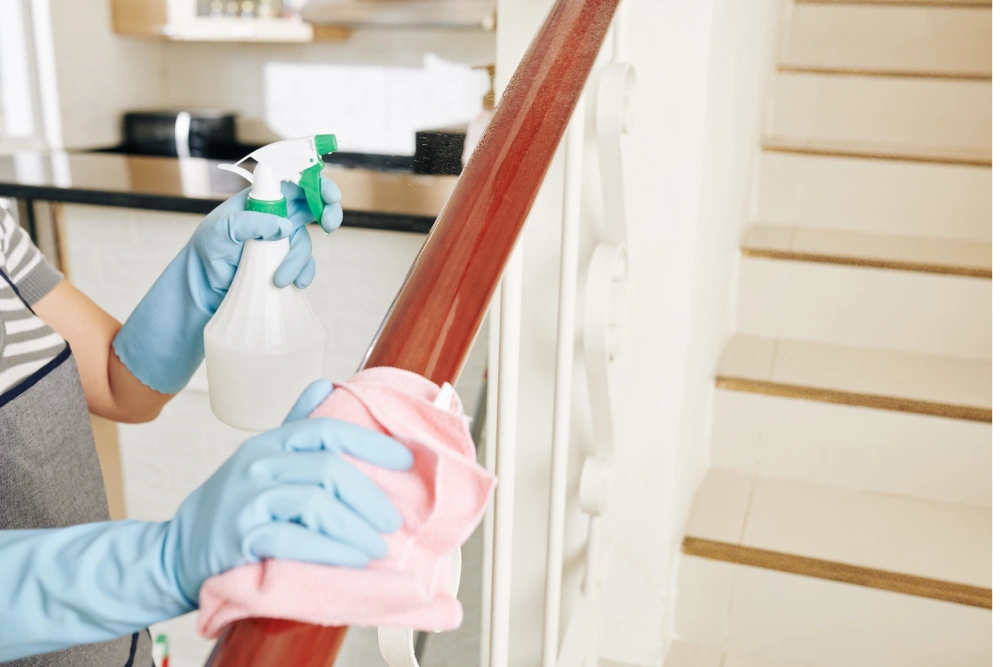
Effective cleaning of high-touch surfaces requires the right techniques, tools, and thorough attention. Use microfiber cloths to remove dirt and germs, apply the spray-and-wipe method, and follow a two-step process: clean first, then disinfect, allowing proper contact time for the disinfectant to work. While this can be done independently, hiring professional cleaners offers peace of mind, as they use industry-grade products and follow proven protocols to deliver a deeper, more reliable level of cleanliness.
Ensure Adequate Ventilation
Proper ventilation lowers airborne contaminants and supports a healthier space. Improve airflow in high-traffic areas to help surfaces dry faster. Open windows, use fans or HVAC systems, and consider air purifiers to boost air quality.
Educate and Train Family Members
Teaching family members proper cleaning and disinfection is essential for maintaining good hygiene. Provide regular guidance on how to use cleaning products and the best techniques for cleaning high-touch surfaces. Also, teach safety practices such as wearing protective gear and handling cleaning chemicals carefully.
Encourage Personal Hygiene
Promoting personal hygiene among family and guests helps reduce germ spread in high-traffic areas. Provide hand sanitiser stations, clear signage, and well-stocked restrooms with soap and paper towels. These simple steps encourage consistent handwashing habits.
Implement Touchless Solutions
Touchless solutions help limit physical contact with high-touch surfaces, reducing germ spread. Installing automatic doors, touchless faucets, and sensor-activated lights in busy areas promotes hygiene. These devices minimise the need to touch handles, taps, or switches.
The Bottom Line
Keeping high-traffic areas clean is vital for safety and health. Regular sanitising lowers illness risks, boosts air quality, and supports a healthy home. With a cleaning plan, proper products, techniques, and good hygiene, you can stop germs effectively.



0 Comments