

Nothing says home quite like a soft, welcoming carpet. They add warmth, colour, and comfort under your feet. But they also gather dirt, spills, pet hair, and all the mess life throws our way. That’s why a good deep clean every now and then isn’t just a bonus — it’s a must.
I’ve stepped into hundreds of homes, and I can tell you each carpet tells a different story. Some are soft and cosy, but hide years of dust. Others look bright yet show stains from muddy shoes or playful pets. Regardless, a thorough cleaning can always revive them. Here are some methods used by carpet cleaning experts for a deeper clean.
Hot Water Extraction Carpet Cleaning
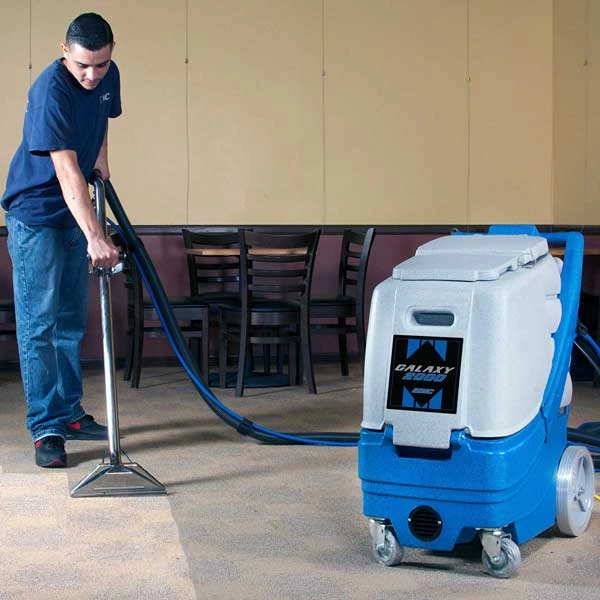
Hot water extraction cleans carpets using hot water, a cleaning agent, and a strong vacuum. First, a mixture of hot water and cleaning solution is sprayed onto the carpet to help break up dirt and grime. The solution breaks down contaminants in the fibres. Then, a powerful vacuum removes the water and residue, leaving the carpet clean and fresh. This method prevents lingering odours and protects the carpet from potential damage caused by leftover residue.
Benefits of Hot Water Extraction Carpet Cleaning
Deeper Clean
While vacuuming removes surface dirt, older carpets often need a more thorough approach. That’s why many professional carpet cleaning services in Manchester rely on hot water extraction. This method reaches deep into carpet fibres, using heated water and powerful suction to lift embedded dirt, allergens, and residues that regular vacuuming can’t touch. The result? A carpet that feels and looks truly refreshed.
Better Than Steam Cleaning
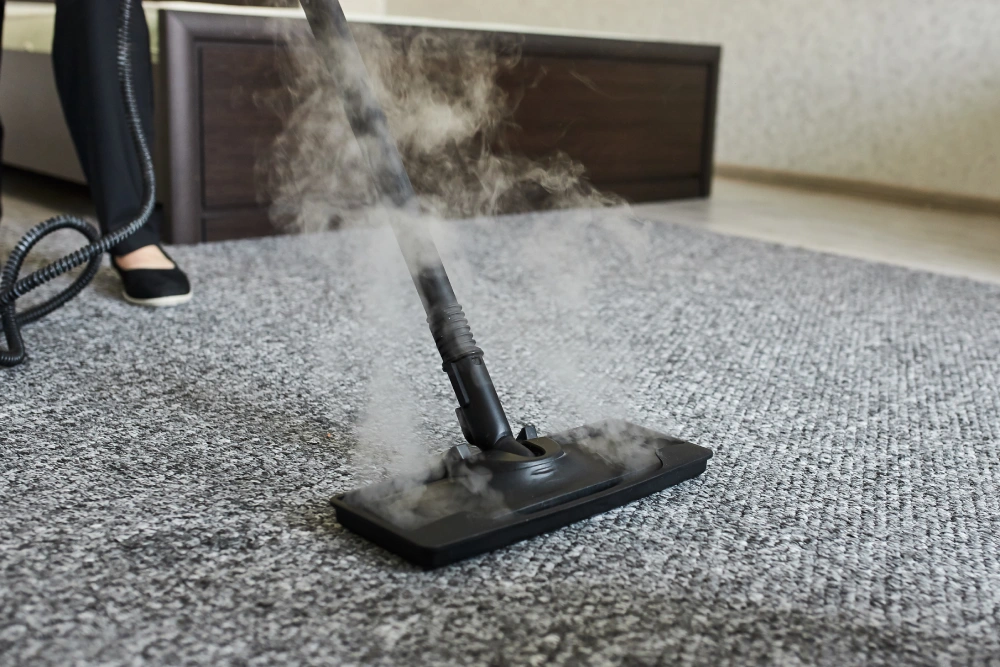
Hot water extraction and steam cleaning are often confused for the same method, but they are two distinct processes. Steam cleaning uses boiling steam, which can damage carpet fibres and reduce their lifespan. It also has a longer drying time, which may lead to water stains or mould.
Eco-Friendly
Hot water extraction is eco-friendly. It uses high-pressure water and biodegradable cleaning agents, producing only safe waste. This method leaves no harmful residue, protecting your carpet’s condition and your family’s health after cleaning.
Dry Carpet Cleaning Methods
Using a Dry Cleaning Compound
This method uses a dry, biodegradable powder brushed into the carpet to absorb dirt, then vacuumed up. It’s fast, requires no drying time, and suits most carpets. It’s not the best option for deep or stubborn stains.
Encapsulation
Encapsulation cleaning uses a solution that traps dirt in a polymer, forming crystals that are vacuumed away once dry. It’s quick-drying, eco-friendly, and ideal for routine maintenance in commercial spaces. Although it’s less effective on deep or greasy stains.
Bonnet Cleaning
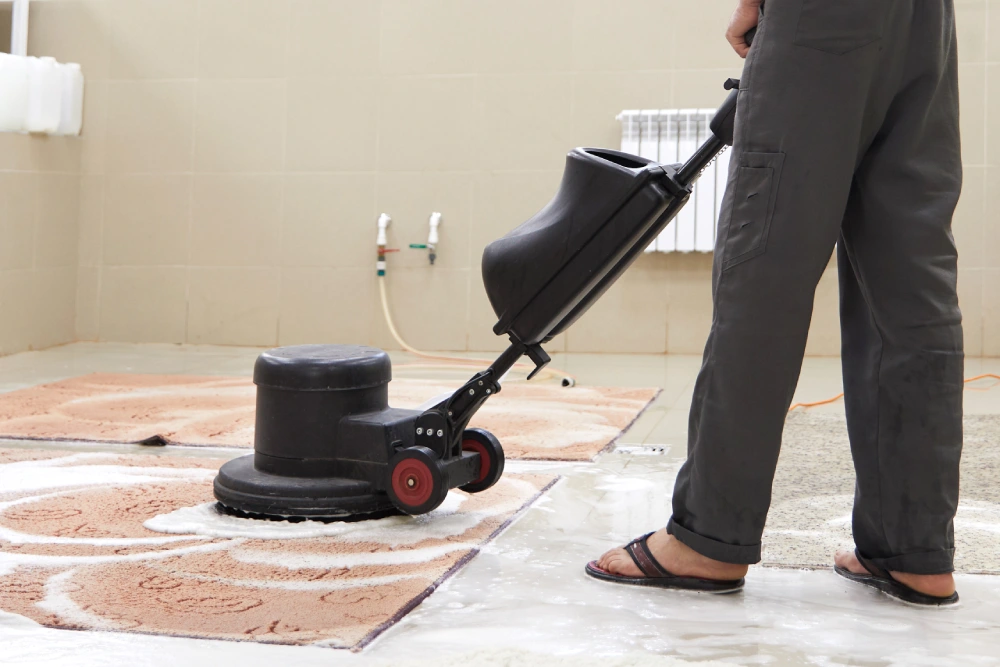
Bonnet cleaning uses a spinning pad soaked in a cleaning solution to scrub carpet surfaces. It removes surface dirt quickly, making it popular in hotels and offices. However, it doesn’t clean deeply and may leave residues, making it less effective.
Dry Foam Cleaning
Foam cleaning involves applying foamy detergent to the carpet, agitating it, then letting it dry. Once dry, both foam and dirt are vacuumed out. It’s gentle and suitable for moisture-sensitive carpets but may leave residue and lack deep cleaning power.
Choosing the Right Carpet Cleaning Method
Understand Your Carpet Type
Carpets require specific care based on their material. Wool carpets are delicate and may shrink with too much moisture, while synthetic ones tolerate water better. Always follow manufacturer guidelines to avoid damage or shortening your carpet’s lifespan.
Consider the Level of Dirt
Lightly soiled carpets may only need dry cleaning or the bonnet method. For deeper stains or heavy dirt, steam cleaning or shampooing works better. The cleaning method should match the dirt’s type and severity to ensure effective results.
Factor in Drying Time
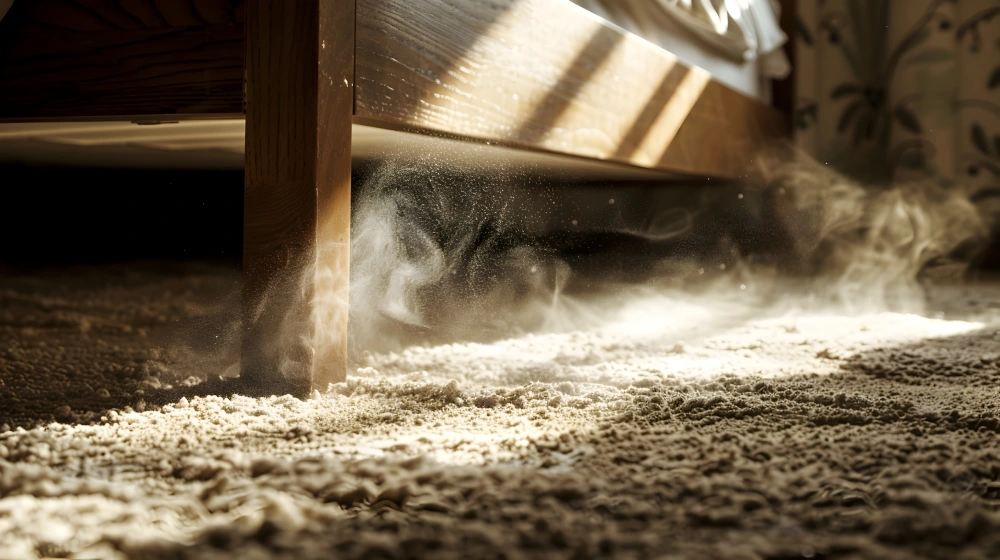
Steam cleaning leaves carpets damp for hours, while dry methods allow faster use. For quick turnarounds, like in commercial spaces or events, choose low-drying options. This prevents mould, keeps traffic flowing smoothly, and minimises disruption in busy areas.
Check for Allergies and Sensitivities
Harsh cleaning chemicals can trigger allergies or irritate sensitive skin. If health is a concern, choose eco-friendly or hypoallergenic methods. Steam cleaning is a safe, chemical-free option. Always check with your cleaner about products used, especially around kids or pets.
Budget
Carpet cleaning costs vary by method. Dry cleaning and encapsulation are cheaper, while steam and shampoo methods cost more due to equipment and time. Factor in your budget and cleaning frequency: spending more initially can reduce the need for frequent re-cleaning.
Look at Long-Term Effects
Quick-fix methods may give carpets a clean look temporarily, but often leave a residue that attracts dirt. Steam cleaning goes deeper and keeps carpets cleaner longer. Look beyond immediate results, and consider how each method impacts your carpet’s appearance and hygiene over time.
Final Thoughts
Carpet cleaning may not be exciting, but it’s key to a clean and healthy home. Choosing the right cleaning method enhances comfort and warmth. When unsure, rely on a professional to restore your carpets’ beauty and make your space more inviting.


0 Comments