

Mould and mildew have a way of creeping in quietly and overstaying their welcome. From small spots on shower tracks to larger outbreaks in damp basement corners, these fungi are a persistent problem in many households.
Moulds not only cause an unpleasant smell, but they can also trigger allergies and damage your walls, tiles, and furniture. In this guide, you will learn how to get rid of mould naturally. With the right approach, you can tackle it before it gets out of hand. Let’s get started.
How to Get Rid of Mould in the Bathroom
Clean with mould-killing solutions (White Vinegar)
White vinegar is an effective natural solution to prevent mould in the bathroom. Spray it on the bathroom surfaces, wait an hour, scrub with a brush, then rinse with warm water for a fresh, clean surface.
Keep Your Bathroom Ventilated
Proper ventilation is key to preventing mould in your bathroom. Open windows during and after showers; use an exhaust fan if you have one. This helps reduce moisture, keeping the air dry and making it harder for mould to grow.
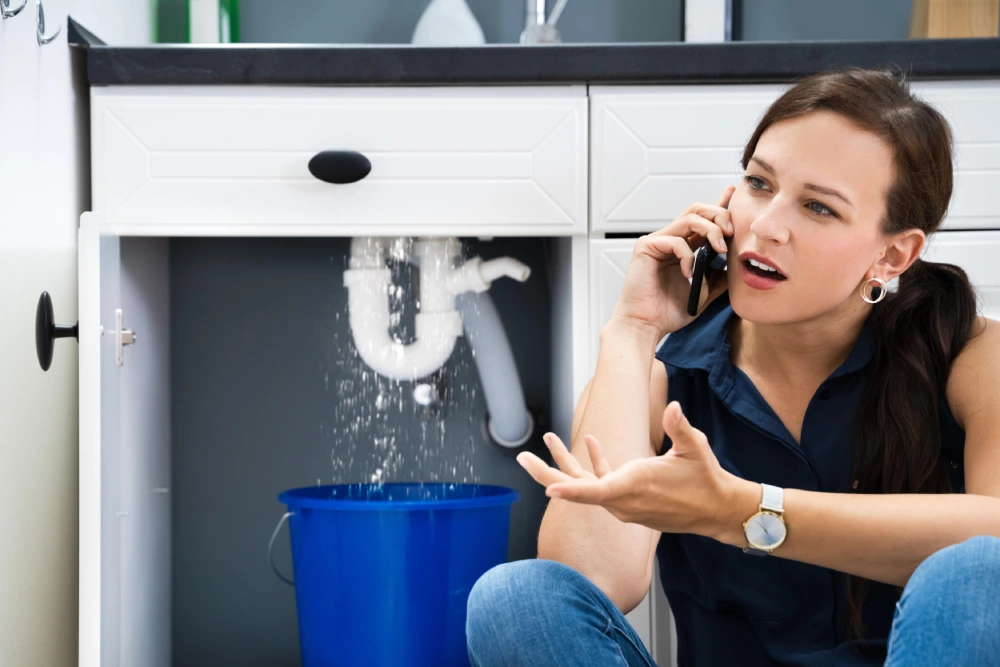
Fix Any Leaks Promptly
Even small leaks in your bathroom can create damp conditions that encourage mould growth. Check pipes and faucets regularly and repair any leaks quickly. This simple step keeps moisture under control and helps maintain a clean, healthy bathroom environment.
How to Remove Mildew from Walls
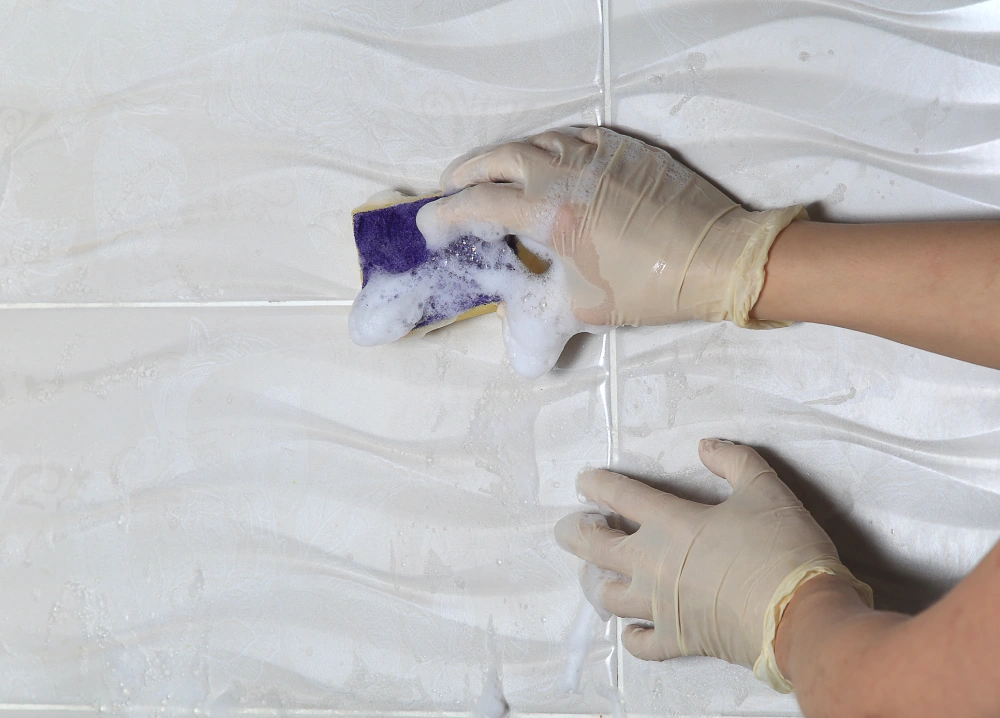
Clean the Surface
Ensure the space is well-ventilated. Combine a small amount of dish detergent with water. Use a sponge or brush to gently scrub the area using small circular movements. Then, allow the surface to air dry completely before using or touching it.
Follow with a Solution of Water and Bleach
Combine ¾ cup chlorine bleach with a gallon of warm water, or 3 tablespoons bleach in 1 quart for small spots. Wearing rubber gloves, apply the mixture to stains using a sponge or cleaning brush.
Rinse and Air Dry
Let the bleach solution sit for five minutes to work on the mould. Rinse well with warm water after gently scrubbing in small circles. Finally, blot with a clean cloth and allow the area to air dry completely.
Natural Mould Removal Solutions
Vinegar
Vinegar is a budget-friendly, natural way to remove mould. Its strong antibacterial acidity makes it effective. While you can dilute it, spraying undiluted vinegar directly works best for tackling mould growth.
Baking Soda
Baking soda safely removes mould, making it ideal for homes with kids or pets. It kills mould naturally, absorbs moisture, and prevents regrowth. Mix ¼ teaspoon with water, spray, scrub, rinse, then respray to dry.
Tea Tree Oil
Tea tree oil, often used to repel spiders, also removes mould safely. As a natural fungicide, it kills mould and helps prevent its return. Wear gloves, as they may irritate skin, and expect a strong scent.
Grapefruit Seed Extract
Grapefruit seed extract is great for health remedies and also works as a natural cleaner. Its polyphenols, limonoids, and naringenin make it effective against mould by stopping mould spores from developing.
Hydrogen peroxide
Hydrogen peroxide is a natural, odourless mould remover with strong antifungal and antibacterial properties. It cleans effectively and prevents regrowth. Always test on a small colored area first to avoid potential discolouration.
When to Call a Professional for Mould Removal
Persistent Musty Odour
If a musty smell lingers even after regular cleaning, it may point to hidden mould growing behind walls, under flooring, or in HVAC systems. When your home is cleaned by professional cleaners, they can spot the signs of concealed mould early and take steps to remove it effectively, eliminating the source of the odour and improving your indoor air quality.
Visible Mould Spots and Discolouration
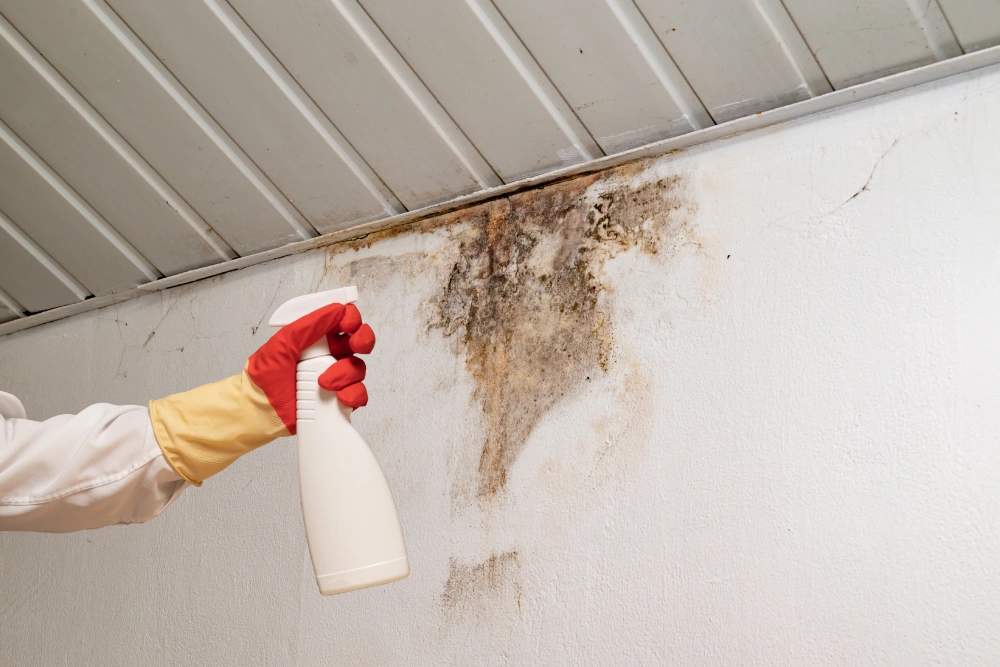
Visible mould means it’s time to act fast. Even small black, green, or white patches in damp areas like bathrooms or basements can spread quickly. Professional removal ensures safe, effective treatment and protection.
Recent Water Damage or Flooding
Mould grows quickly in damp areas, especially after water damage from flooding, leaks, or burst pipes. Even once dried, moisture can linger in walls or floors, causing mould to appear within 24–48 hours.
Health Symptoms That Don’t Go Away
Mould exposure can trigger health issues, especially for those with allergies or weak immunity. If symptoms improve outside your home, mould may be to blame. A professional can test the air quality and safely remove it.
Worsening Indoor Air Quality
Poor indoor air quality may indicate mould. Mould spores can reduce air quality, causing breathing issues and discomfort. Signs like excess dust, stuffiness, or haze could mean mould is affecting your home’s environment.
Leaving No Trace
Mould may begin small but can escalate fast. Spotting it early and calling a professional mould removal service helps prevent costly repairs, health risks, and more serious damage to your home.



0 Comments