

Have you ever walked into a room intending to clean but ended up just moving stuff around instead? You’re not alone. As a cleaning professional, I’ve seen this happen countless times. A cluttered room is harder to clean, and it’s mentally exhausting. You can’t scrub and sweep properly if every surface is covered in random things. That’s why understanding how to declutter the house before cleaning is essential.
Decluttering is more than just making space. It sets the stage for an easier and more effective clean. It also gives you more room to reach all the spots that need attention, ensuring nothing is overlooked during your deep clean. Let’s explore the reasons why decluttering, particularly how to declutter the house, should be your first step in achieving a spotless home.
Why Decluttering Makes Cleaning Easier
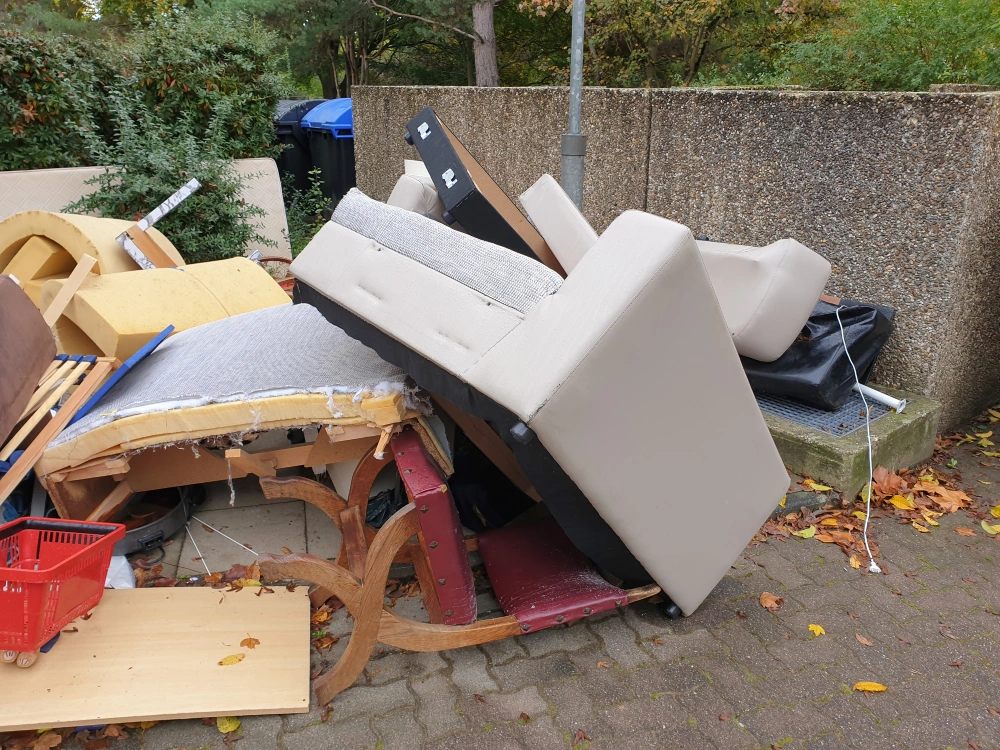
Less Furniture to Move around
A clean home is great, but a clutter-free home is even better. As someone who regularly cleans apartments in Manchester, I always recommend keeping things minimal. Fewer possessions mean less stress, and having less furniture makes cleaning faster, easier, and much more effective.
A More Effective Cleaning
Struggling to keep your home clean? Having too much stuff can make cleaning harder, as dust settles on every item. Decluttering reduces cleaning time and effort, helping you clean more effectively. This is especially helpful for elderly people who struggle to keep up with household chores.
Faster Cleaning
Cleaning a cluttered home takes longer and costs more if cleaners are paid hourly. Removing unused items speeds up cleaning, reduces dust buildup, and lowers cleaning time. This helps both you and hired cleaners finish the job faster and more efficiently.
How to Declutter Your Home Before Cleaning
Clear Out
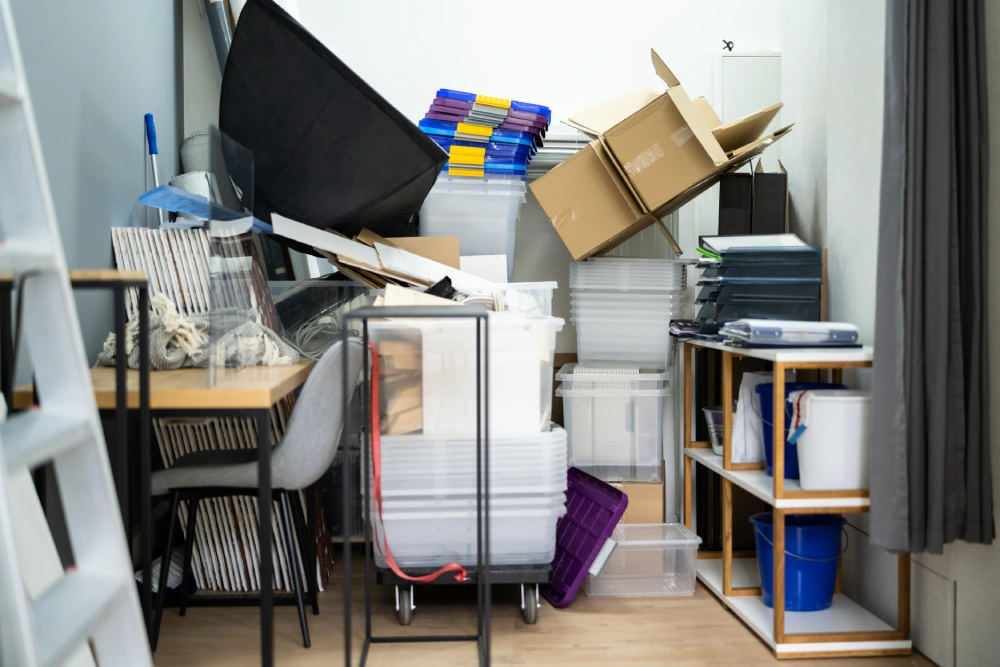
When cleaning and organising your space, start by removing every single item. Whether it’s your bedroom, kitchen, or bathroom, clearing it out completely helps you assess what stays. This sets the stage for a cleaner, more organised, and refreshed space.
Categorise
After clearing out the space and furniture, group similar items together. Use bins, boxes, or containers to categorise and label with post-it notes to stay organised and focused, especially during breaks or when working with others. This streamlines sorting and speeds up cleaning.
Cut Out
As you sort through your belongings, discard what you don’t need. Use bags for rubbish, donations, and items to sell. This approach not only keeps things organised but also makes letting go easier, knowing your items may help someone else.
Contain
Finally, store similar items together in labelled bins or containers for easy access and organisation. Clear bins are especially helpful, allowing you to see the contents at a glance. Also, ensure you label everything; this will make future storage and tidying much more efficient.
Decluttering Checklist for Each Room
Kitchen
Declutter your kitchen by clearing countertops, editing drawers, and discarding rarely used gadgets. Sort pantry and fridge items by category, removing expired goods. Let go of chipped mugs, damaged pots, and forgotten junk drawer items to keep only what you need.
Living Room
Clear surfaces by removing excess items from tables, shelves, and media centres. Organise books, games, and papers, keeping only essentials. Assess furniture for necessity, and rethink comfort items like pillows and decorations to create a more spacious, functional room.
Bedroom
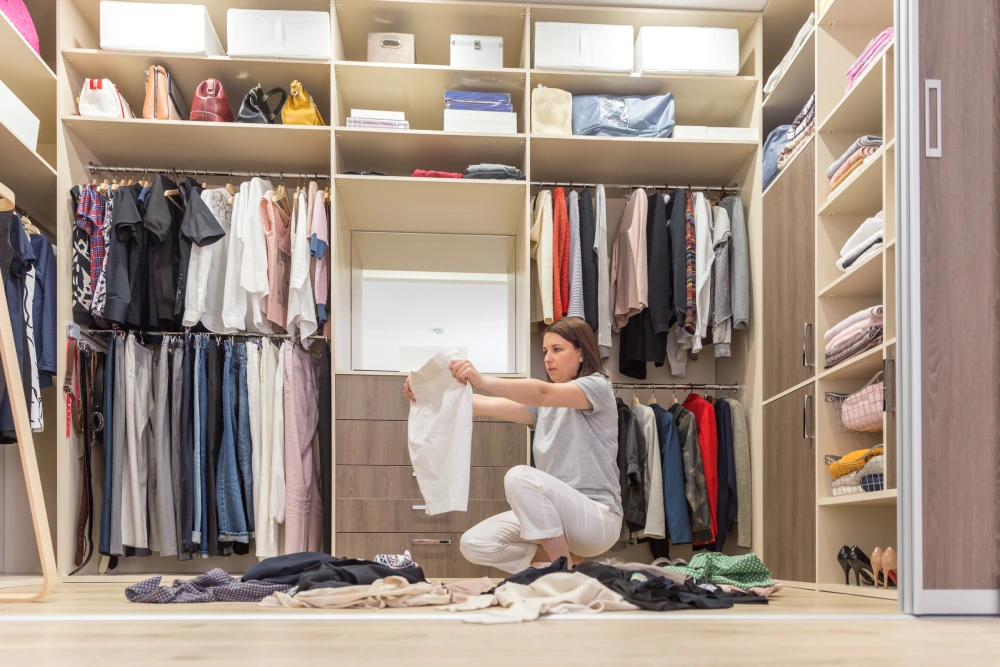
In your closet, sort clothes and donate those that have not been worn for over a year, then organise the rest. Tidy drawers by removing unused items. Clear out unnecessary things stored under the bed, and keep only essentials on your nightstand for a clutter-free space.
Bathroom
Discard expired medications and unused products from the medicine cabinet. Organise toiletries in drawers and under the sink, keeping only daily essentials. Toss expired makeup and skincare, limit linens to a set amount, and remove unused items from the shower area.
Home Office
Sort and recycle unnecessary paperwork, shredding sensitive documents. Organise desk drawers, discarding unused supplies and broken pens. Remove obsolete electronics, and keep bookshelves and file cabinets tidy. Clear your desktop of all non-essential daily items for a clutter-free workspace.
Where to Donate Unwanted Items in Manchester?
In Manchester, you can donate small, good-condition items to local charity shops like Barnardo’s in Fallowfield or the RSPCA in Withington. Larger items can be collected by the British Heart Foundation or Wesley Community Furniture. Tech donations are accepted at city libraries through Community Computers. For anything else, use local recycling centres, which accept various materials including electronics, metal, textiles, garden waste, and wood.
Conclusion
Decluttering before cleaning enhances the efficiency and effectiveness of cleaning services. It leads to a cleaner, more organised home, reduces costs, and promotes better mental well-being. Decluttering improves cleaning results, reduces stress, and enhances productivity.


0 Comments