

In a typical Manchester family home, the sofa is more than just furniture — it’s a snack station, story corner, and nap spot all rolled into one. Over time, it naturally collects dust, crumbs, stains, and lingering odours. If you’re thinking about how to clean sofa fabric at home, it’s important to know what works and what could do more harm than good.
Using the wrong method might seem like a budget-friendly option, but it can damage delicate fabrics, cause discolouration, or even invite mould. This guide breaks down simple, effective upholstery cleaning tips tailored for busy Manchester homes so you can keep your furniture looking, smelling, and feeling like new without costly mistakes.
Safe Ways to Clean Sofa Fabric at Home
Check the Label Before Cleaning
Before cleaning your sofa, always check the tag for fabric codes. Each fabric needs a specific cleaning method. W means use water-based cleaners, S means solvent-based only, W/S means both are okay, and X means vacuum only. Using the wrong method could damage your furniture.
Steam the Sofa
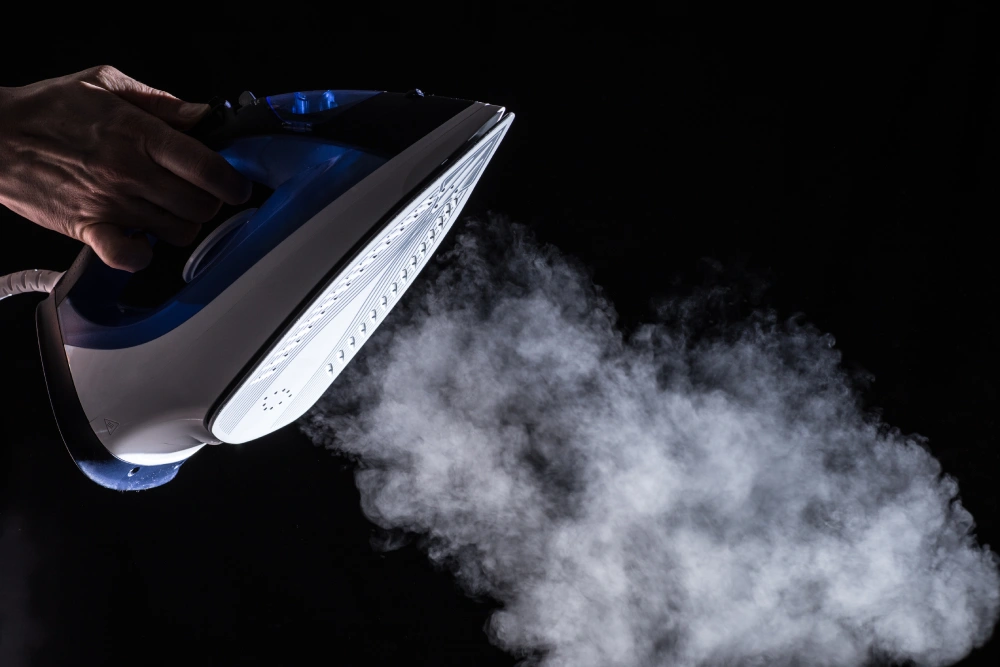
Gently steam your entire sofa with a garment steamer to get rid of dust mites. If you don’t have one, you can carefully use steam bursts from an iron without pressing it down. If you don’t have any, skip it and just vacuum instead.
Vacuum the Sofa
Sofa weekly to keep it clean and extend its lifespan. You can use Hoover cordless and upright vacuums, as they come with powerful attachments that make cleaning easy. Use the cordless handheld mode for small sofas and the upright for bigger ones or extra suction.
Clean the Nooks and Crannies
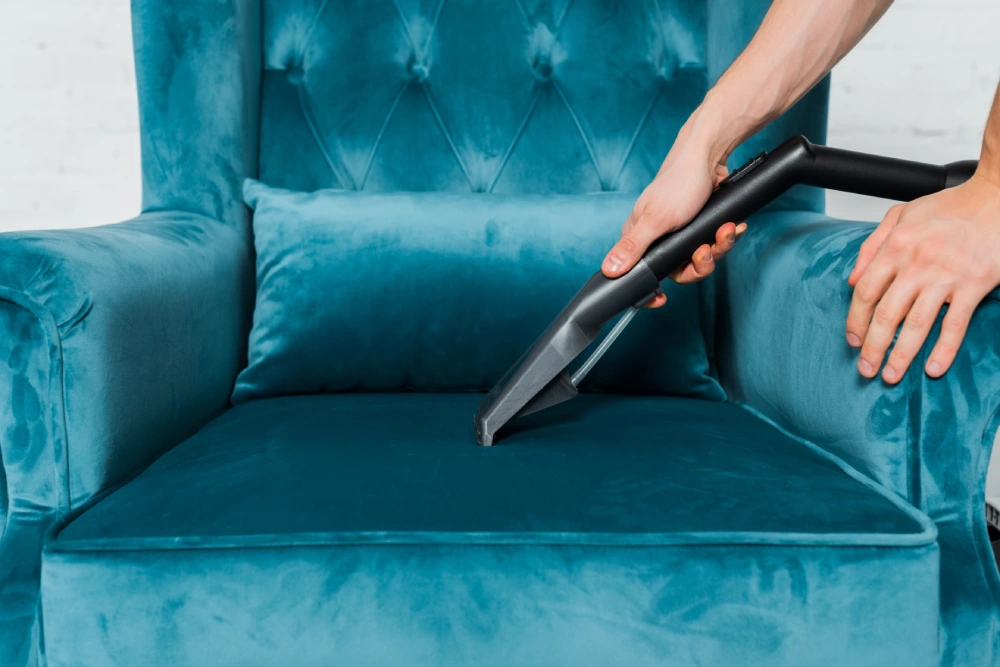
Use the crevice tool to vacuum the seams, buttons, and trim of your sofa. This tool helps you reach all the tight spots and folds that are usually hard to clean, making sure no dust or dirt is left behind.
Spot-clean the Stains
After vacuuming, spot-clean any stains using the right solution. Check the care tag first, test it on a hidden spot, and then gently clean using the right method based on your sofa’s label. For W or W/S tags, use a mix of mild soap, vinegar, baking soda, and water. S-tagged sofas need solvent cleaners only.
Removing Common Stains from Upholstery
Red Wine
First, use a clean, dry towel to gently blot the area and soak up any liquid. Pour a little carbonated water on the stain and blot again. Then, apply a baking soda paste, let it dry completely for hours, and vacuum it off.

Oil
Sprinkle cornstarch or baking soda over the spot and let it sit for 15 to 20 minutes to absorb the grease. Vacuum it up, scrub gently with dish soap using a toothbrush, then blot clean with a damp paper towel.
Mud & Dirt
First, let the dirt dry completely. Then gently scrape off the excess and vacuum any loose bits. Mix two cups of water with one tablespoon of clear dish soap. Gently scrub the stain with a sponge, blot it dry, and repeat the process if necessary.
Beer & Coffee
To remove beer stains, rub the spot with an ice cube first. Mix a teaspoon of liquid detergent with some warm water, then blot the stain gently with a paper towel. For coffee stains, skip the ice and use the solution directly.
Pet Stains
Take one cup of white vinegar and one cup of cool water, mix well, and pour them into a spray bottle. Lightly spray the stained area, then blot gently with a clean towel, starting from the edges and moving toward the centre.
When to Call a Professional Upholstery Cleaner in Manchester
Stubborn Stains and Discolouration
Spills and accidents happen, and over time, they can leave stubborn stains that are hard to clean on your own. When regular cleaning doesn’t work, it’s best to call a professional to restore your furniture’s look.
Lingering Odours
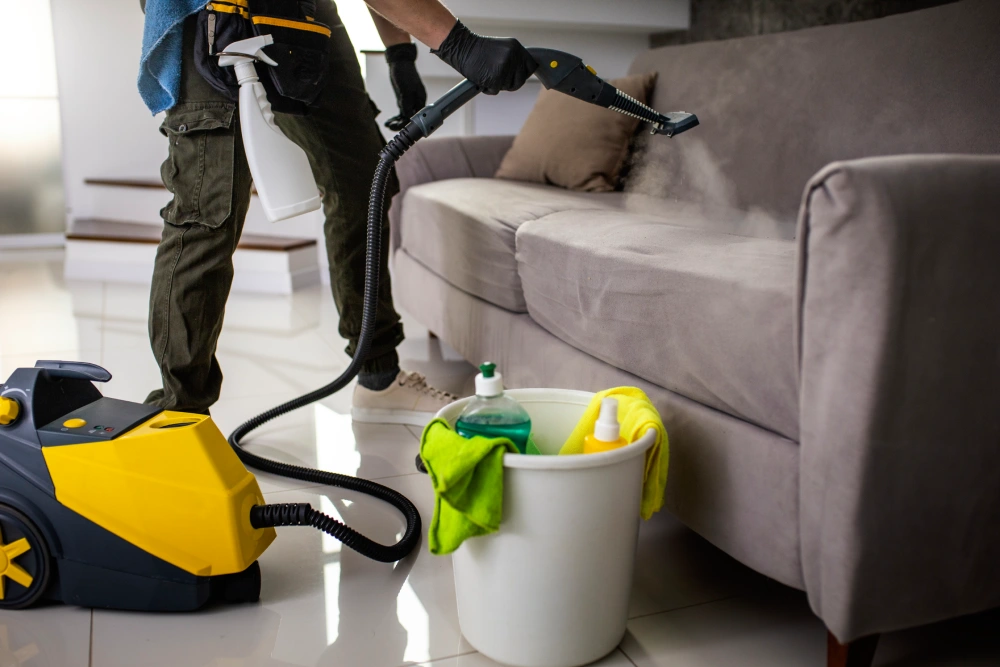
Lingering smells from food, pets, and daily use can stick to your upholstery and make your home feel unpleasant. Our professional upholstery cleaning removes these odours right from the source, leaving your space fresh and inviting.
Pet Hair and Dander Build-Up
If you have pets, you know how fast hair and dander can pile up on furniture. Over time, they get stuck deep in the fabric, making DIY cleaning hard. A professional deep clean is key to a truly clean, allergen-free home.
Conclusion
Upholstery cleaning is an important part of keeping your home in good shape. By knowing your fabric, using the right cleaning methods, and staying consistent, you can keep your furniture clean and comfortable for years.


0 Comments