

Let’s be honest. Cleaning floors is one of those chores we all have to do, but few of us truly enjoy. Still, there’s nothing quite like the satisfaction of walking barefoot across a freshly cleaned floor. It instantly makes your space feel tidy and refreshed. However, not all floors are the same, and cleaning them incorrectly can cause damage. This guide will provide you with essential tips on how to clean flooring effectively.
Various types of flooring need specific care routines. The mop that leaves your tiles sparkling could easily harm your hardwood. After years in the cleaning industry, I’ve seen many people accidentally ruin their lovely floors by using the wrong techniques or tools. So, let’s talk about how to clean each type of flooring properly without stress.
Understanding how to clean flooring properly can save you time and prevent costly repairs.
How to Clean Hardwood Floors
Sweep or Dust Your Floors Daily
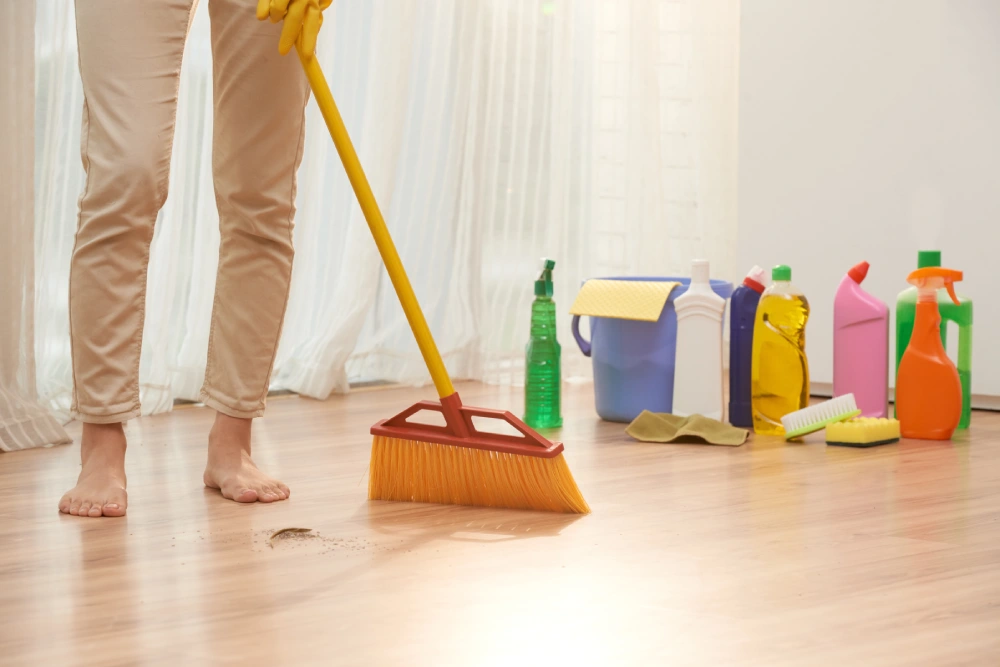
For daily upkeep, sweep with a broom or use a microfiber dust mop to collect dust, dirt, and crumbs. This simple habit helps keep your floors clean and prevents scratches from debris.
Spot Clean Promptly
Try to wipe up spills right away to avoid dulling the floor’s finish and attracting dirt. Use an absorbent cloth to blot immediately. For quick touch-ups, use a damp paper towel, then dry the area thoroughly.
Vacuum Every Few Days
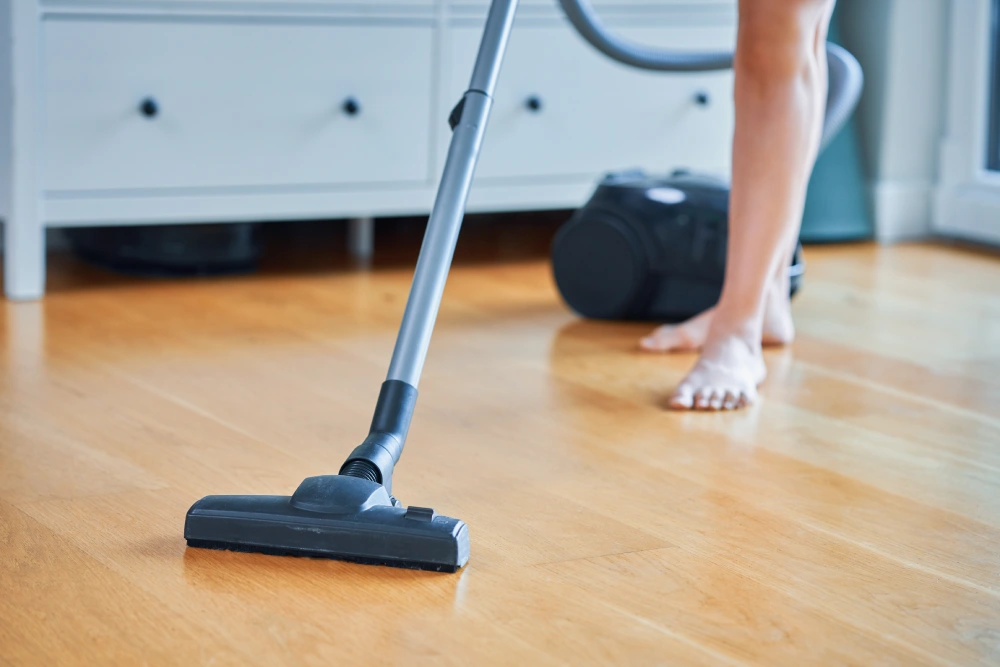
Vacuum hardwood floors every few days based on foot traffic. A cylinder vacuum, also known as a canister vacuum with a long, oval brush, is ideal for tight spaces. If using an upright vacuum, turn off the rotating brush to prevent scratches.
Wet Mop When Needed
When dirt or spills can’t be swept or vacuumed, do a deeper clean. Wet-clean with Bona Hardwood Floor Cleaner, spray on surface-treated floors in a small 3×3-foot section, and wipe with a microfiber mop, area by area.
How to Clean Tile Floors
Clean Up Loose Debris
Regularly sweep or vacuum tile floors to prevent dullness. While ceramic tiles resist dirt, abrasive particles like sand and grit can wear down the glazed surface, reducing their shine and overall appearance over time.
Choose the Right Floor Mop
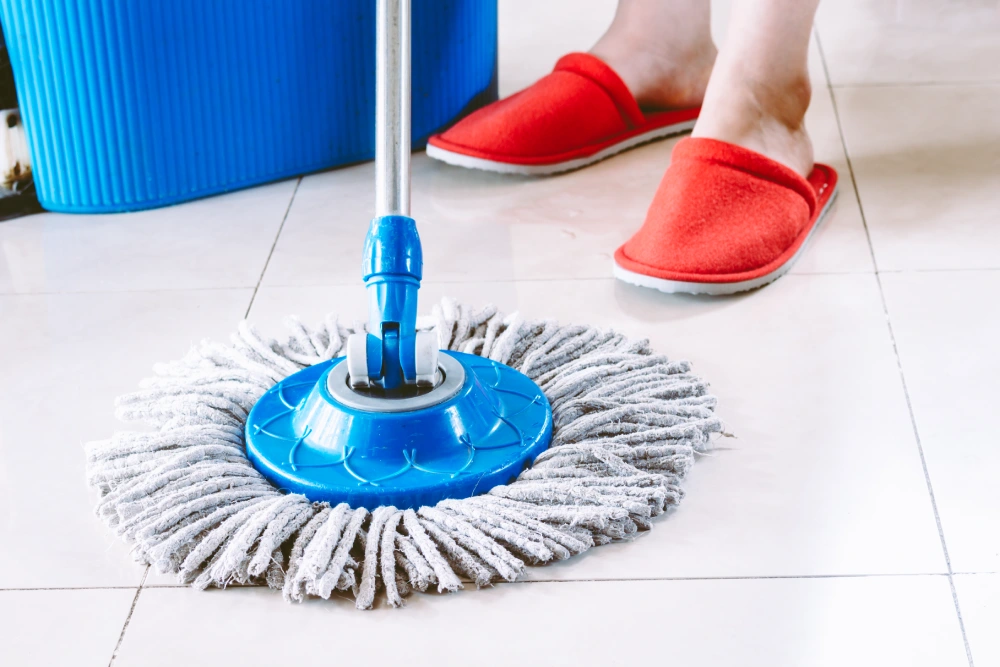
Use a rag or chamois mop with mild detergent and clean water to clean tile floors. Unlike sponge mops, they don’t push dirty water into grout lines, which can make them harder to clean.
Be on the Lookout for Tile Stains
If you notice discolouration, identify the cause first. Once you know the source, choose a suitable cleaner designed for that specific stain to achieve the most effective and targeted cleaning results.
Watch for Soap Residue
If tiles appear hazy after cleaning, it’s likely soap residue. Use a non-abrasive all-purpose cleaner or a mild acid homemade solution like lemon juice for ceramic or porcelain. Avoid acidic cleaners on stone tiles.
Dry the Tiles
Avoid air-drying glazed tile floors, as standing water can leave spots. Instead, dry them immediately after washing using a clean, lint-free cloth to maintain their shine and prevent unsightly watermarks.
How to Clean Laminate Floors
Vacuum or Sweep Floors
If you inherited laminate floors, learn proper cleaning to extend their life. Regularly sweep, dust, or vacuum in the flooring direction to catch debris. Promptly wipe spills, even dry ones, to avoid damage.
Damp-Mop Laminate Floors
Light-damp mopping can help when wiping isn’t enough, but avoid excess water to prevent damage. Vacuum with a soft brush before mopping, and use two buckets to avoid streaks from a dirty mop head.
Dry Floors, If Needed
If water remains on the floor after mopping, quickly dry it using a microfiber cloth to prevent damage and streaks. Prompt drying helps protect your floors and keeps them looking clean and polished.
Carpet Flooring: When Mopping Isn’t an Option
Not all floors are mop-friendly. If your home is fitted with carpet or has large carpeted areas, cleaning takes a different turn. While vacuuming handles surface dirt, deeper cleaning is essential to maintain hygiene and appearance. Over time, carpets trap dust, allergens, and odours that regular vacuuming can’t fully remove.
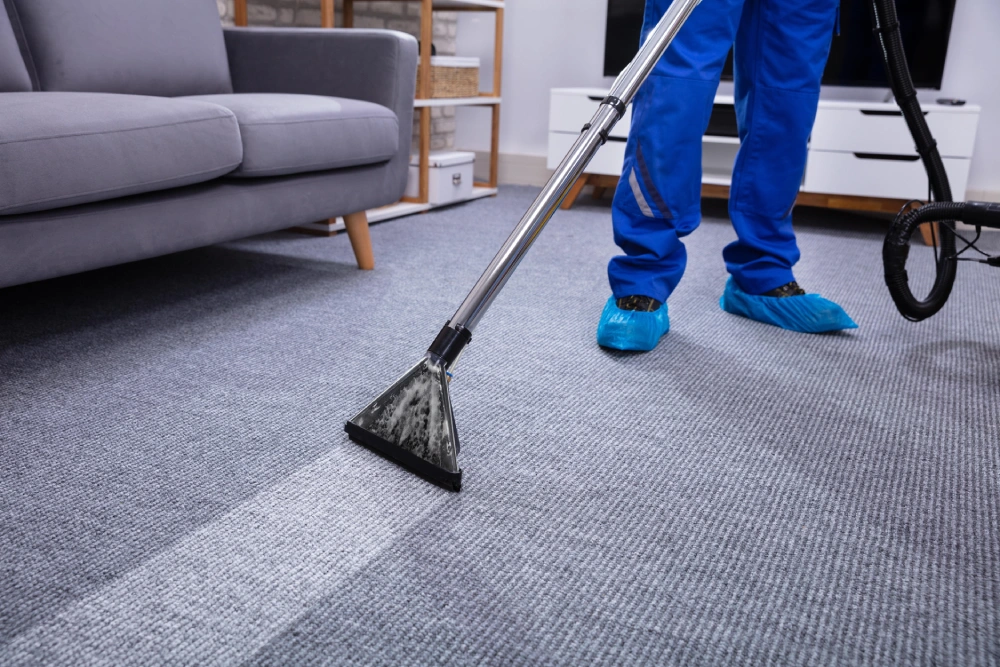
For an effective refresh, use a carpet cleaner or steam cleaner every few months, especially in high-traffic areas. And when DIY just won’t cut it, calling in professional carpet cleaners can make a big difference. They have the equipment and know-how to lift embedded grime and revitalise your carpets without damaging the fibres.
Best Mops for Different Floor Types
Microfibre Mop
Microfiber mops are gentle yet effective, trapping dust without scratching hardwood floors. Ideal for daily use, they help maintain the beauty and cleanliness of your wood surfaces effortlessly.
Sponge Mop
Sponge mops are perfect for tile floors, reaching deep into grout lines where dirt builds up. Unlike flat mops, they effectively clean hidden grime, making them ideal for tough tile maintenance.
Flat Mop
Flat microfibre mops work well on laminate floors by using minimal water. They glide smoothly across surfaces, effectively cleaning without leaving streaks, ensuring the laminate stays protected and spotless.
Twist Mop
This is perfect for large spaces. A twist mop with a built-in wringer saves time and effort. It efficiently cleans big areas while keeping your hands dry and free from constant wringing.
Spin Mop
Spin mops are versatile and suitable for various floor types. They make wringing out excess water simple, helping to clean it efficiently. Ideal for houses with different types of flooring.
Conclusion
Maintaining your floors is simple with the right cleaning products and techniques. Use this guide as a reference to properly care for your floors and keep them always looking great.


0 Comments