

If you’ve ever moved house, you know that cleaning is the big challenge at the end. If you’re selling your home or planning to get all your deposit back, how you clean will differ greatly. As this process continues, people often discuss “move out cleaning and end of tenancy cleaning” with each other. Although they appear to mean the same during the stressful move, they have their roles and expectations.
When I left my rented place in Manchester, I only thought I needed a basic cleaning. However, my landlord’s expectations were different, so some of my deposit was kept by her. This made me realize why it’s important to understand the differences among these cleaning types.
In this piece, we will look at the differences between move out and end of tenancy cleaning, so you feel more confident about your moving process.
Focus on Homeowners vs. Renters
The difference between move out cleaning and end of tenancy cleaning is that one is meant for homeowners and the other for renters.
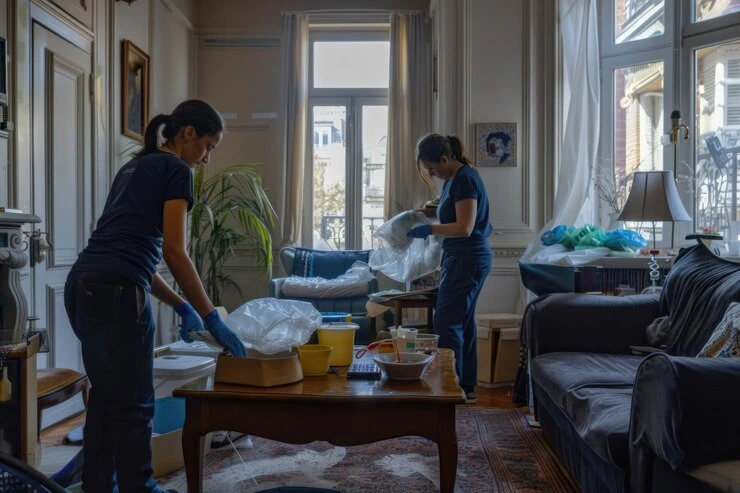
Homeowners: Move Out Cleaning
It’s a good idea for homeowners to arrange for move out cleaning.
Homeowners should clean their house well, so it shines for those inspecting or interested in buying it. Attention is given mainly to how the area looks and how tidy it is. The following are a few examples:
- Vacuum the area and then mop it with a damp cloth.
- Cleaning the surfaces around your home
- Taking care of the bathrooms and the kitchens
- Cleaning fixtures and fittings
The idea is to make the property more attractive, though you do not have to follow legal cleaning standards unless the contract says so.
Renters: End of Tenancy Cleaning
For renters, it is important to finish the rental contract by having the house cleaned up and in good condition.
When renting, tenants have to clean more thoroughly than normal. You need to prepare the property in the same state as when you received it, except for any reasonable wear and tear. Usually, this includes
- Deep cleaning carpets and upholstery
- Descaling bathroom fixtures
- Cleaning inside appliances like ovens and refrigerators
- Removing limescale and mold
- Cleaning windows and skirting boards
This is because, for a move-out, there are legal and contractual points to consider compared to end of tenancy cleaning which is just about cleanliness.
What to Expect from a Move-Out Cleaning

Homeowners are usually allowed to plan around their needs a little more. The purpose is to make the property look good and clean for the next people who will use or buy it. Unless the sale contract calls for it, the law does not require a certain level of cleanliness. The main activities involve
- General cleaning of the surface
- Cleaning the floors by vacuuming them and mopping them
- Cleansing the bathrooms and kitchens
- Getting rid of your items.
Different Expectations for Cleanliness
The landlord would expect the place to be cleaned before you leave.
The requirements are higher for people renting a property. Landlords are expecting the property to be returned in the same shape as it was at the beginning of the tenancy except for normal wear and tear. Sometimes, it is necessary to do a thorough cleaning such as:
- Taking care of the deep cleaning of carpets, possibly using machines from a professional company
- Cleaning the inside and the back of your appliances
- Descaling the bathroom fixtures and cleaning mold off them
- Washing the windows as well as the bottom sills and window frames
- Ensure to dust and wipe every surface, including the skirting boards and light fittings.
If your property does not meet the standards, you may have to pay for the cost of cleaning out the place. Starting with the initial inventory on your tenancy will help you spot all the points that require attention.
Tailoring the Service to Your Need
When you know the difference, you can use the cleaning service that fits your situation best and save money.
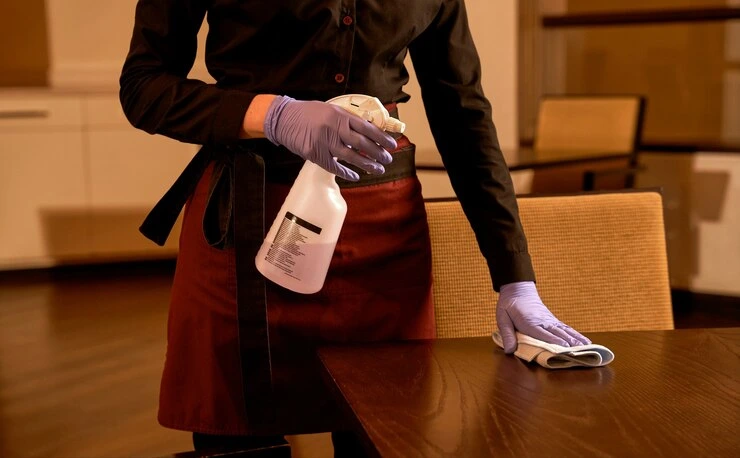
Assess Your Skills
- Homeowners: Tackle areas that could make the property more attractive to interested buyers. You could arrange cleaning services such as carpets and windows, to make the property attractive to tenants.
- Renters: Go through your agreement and the inventory list to spot the areas that should be taken care of. Some landlords give tenants a list of things they should do.
Decide Between DIY and Professional Services
- DIY Cleaning: You may decide to clean the property on your own if you have the time and the necessary items. It is important to have all the required supplies and equipment for cleaning. Always be sure to take photos to show your work.
- Professional Cleaning: Professionals make the process faster and guarantee a good result. There are many cleaning companies that provide special services for moving out or finishing a tenancy. If you rent, some companies will offer to come back and clean again should the landlord not be satisfied with the work done.
Communicate with Relevant Parties
- Homeowners: If you are selling, ask your estate agent what kind of cleaning buyers may expect.
- Renters: Talk to your landlord or letting agent about cleaning before you move in. Ensure to interpret any vague terms in your rental contract with the landlord.
When I sold my previous house, I concentrated on prepping the house and tidying up the surfaces and that was enough. In my previous rental, I hired an expert end of tenancy cleaning company and they produced a certificate for me. Thanks to the pictures, I was able to prove the cleanliness which helped me get my money back.
Conclusion
Moving offers a lot of cleaning tasks, but knowing the difference between move out and end of tenancy cleaning can help you handle it better. People who own their homes are advised to arrange the property neatly, focusing on appealing to buyers or renters and using flexible cleaning standards.
When renting an apartment, the tenant must ensure the place is left the way it was when they previously packed in to be able to get back their deposit.


0 Comments