

A clean business environment involves more than surface-level presentation. Modern customers, employees and business partners need companies to uphold strict hygiene standards because your business reputation depends on it. Many businesses fail to distinguish between cleaning, sanitising and disinfecting processes. Understanding and applying each method correctly isn’t just about professionalism; it’s essential for ensuring health, safety, and regulatory compliance.
This article analyses the essential differences between cleaning and sanitising, explains their importance, and demonstrates proper workplace implementation for creating a healthier setting.
Definitions and Key Differences
What Is Cleaning?
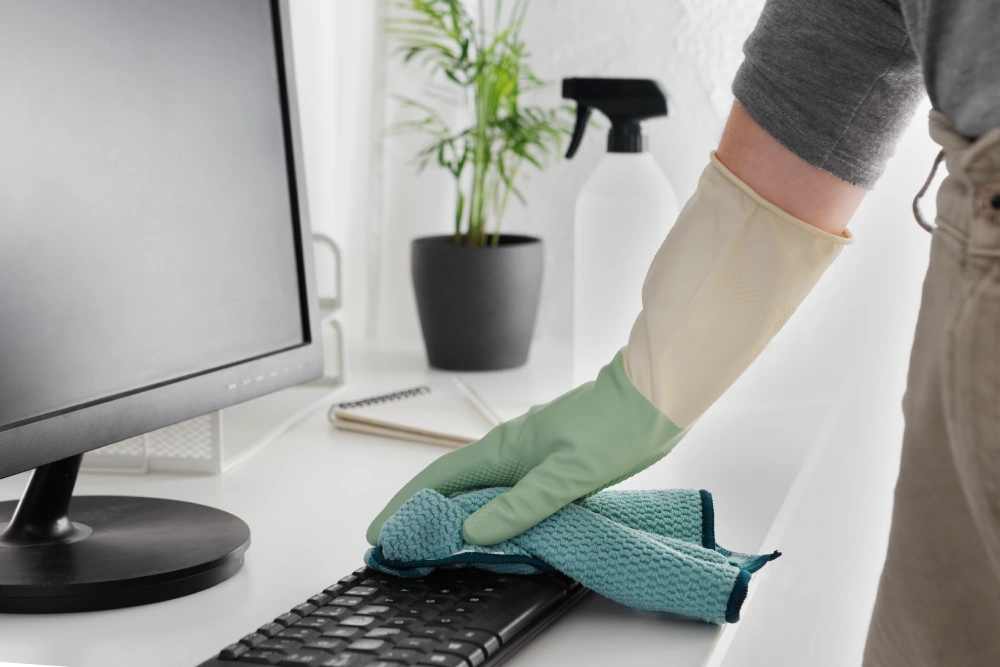
Cleaning involves removing dirt, dust, and visible impurities from surfaces. It typically requires soap or detergent, water, and physical scrubbing or wiping.
Key point: Cleaning removes many germs along with dirt, but it does not kill them.
Example: Wiping down a dusty reception counter improves visual cleanliness and physically removes some germs in the process.
What Is Sanitising?
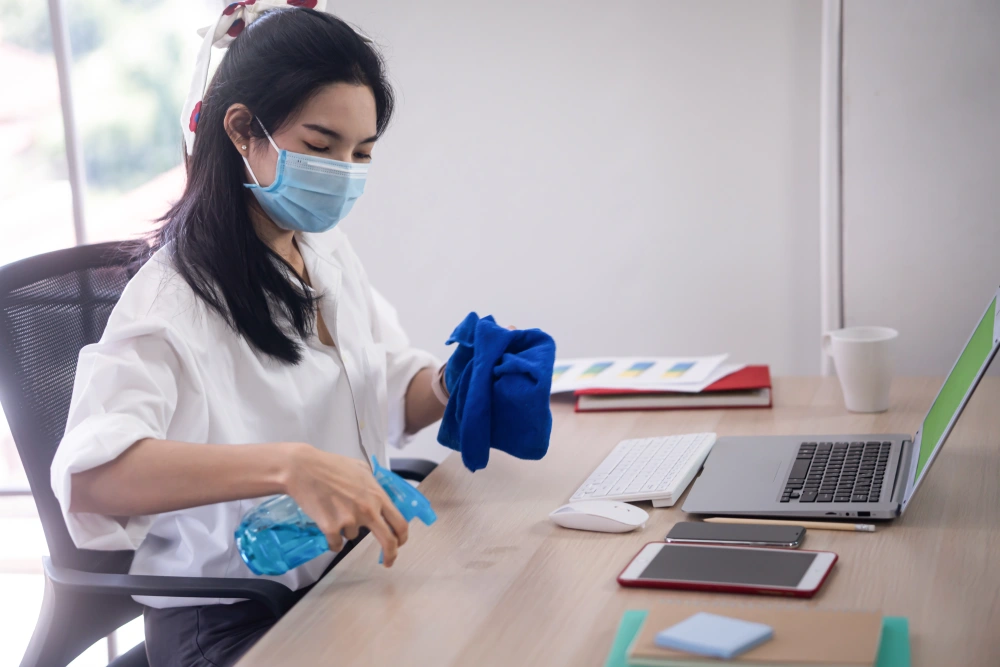
Sanitising goes a step beyond basic cleaning. It aims to reduce the number of germs on surfaces to safe levels as defined by public health standards. This process may involve cleaning, disinfecting, or both, depending on the context.
Key point: Sanitising lowers germ counts to a level that’s considered safe, helping reduce the risk of illness.
Example: In restaurants, kitchen counters are first cleaned, then sprayed with sanitiser to reduce bacterial presence to acceptable levels.
What About Disinfecting?
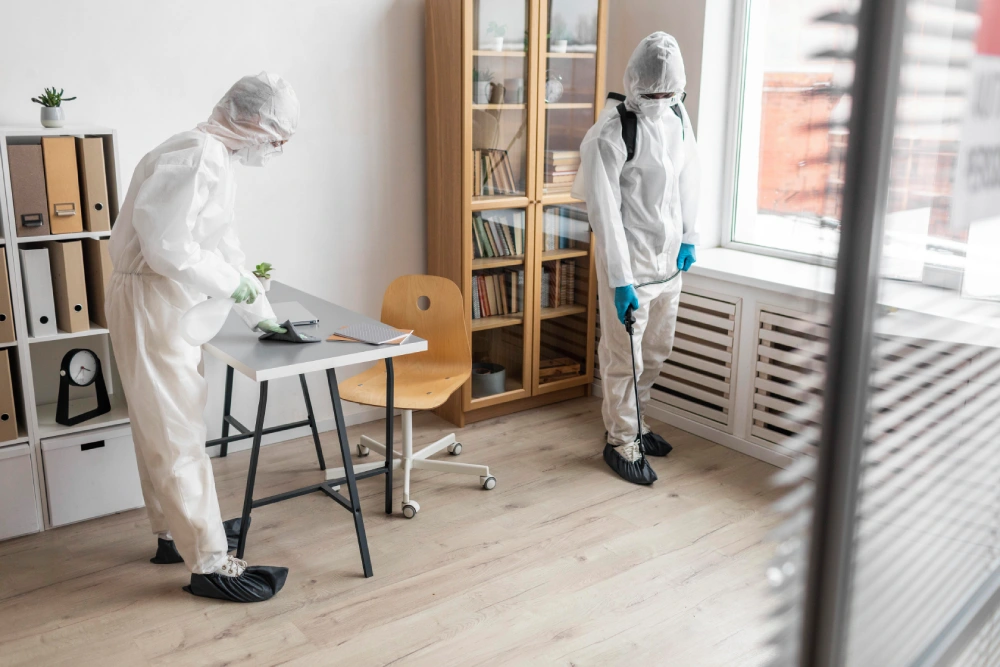
Disinfecting is the process of using chemicals to kill germs on surfaces. Unlike cleaning or sanitising, disinfecting doesn’t just reduce germs—it destroys them, including viruses, bacteria, and fungi.
This step is crucial in environments with a high risk of contamination, such as hospitals, restrooms, and areas affected by illness or biohazards.
Key point: Disinfection is essential when you need to eliminate pathogens, not just reduce them.
Example: A hospital room or a bathroom is disinfected to ensure that harmful microbes are killed, not just wiped away.
The Science Behind Cleaning and Sanitising
A simple but strong scientific process operates here:
- Cleaning products combine surfactants (soaps) with friction (scrubbing) to physically eliminate germs.
- Sanitising processes employ heat systems such as hot water or chemical agents, which minimise microbial populations to acceptable levels.
- Commercial dishwashers sanitise plates through hot water temperatures exceeding 170°F, which exceeds what hand washers can safely use.
Your environment and germ control need to determine which cleaning method offers the best fit.
Regulatory Standards and Guidelines
The implementation of proper standards becomes a legal requirement in addition to being an intelligent decision.
- CDC Guidelines suggest businesses should perform periodic cleaning and sanitisation of workplace surfaces that people touch frequently to decrease viral transmission.
- FDA Rules mandate food businesses to perform surface sanitisation routines for food contact areas following every use.
- OSHA Standards demand that healthcare facilities, along with other specific industries, develop official procedures for cleaning and disinfection.
By following these regulations, your business remains secure from penalties, health violations and lawsuits.
Practical Applications in Business Environments
Cleaning and sanitising follow these steps for daily use:
When to Clean
The daily cleaning routine includes furniture dusting.
- Mopping floors
- Wiping windows and doors
Example: Our office maintained a surface cleaning schedule that required team members to wipe down tables and desks at the beginning of each workday. Daily cleaning activities maintained the space’s fresh and professional appearance for clients.
When to Sanitise
Food preparation areas
- Shared equipment (like office phones, break room counters)
- After minor spills (especially food)
Example: At my former coworking space, the team would sanitise the coffee station every evening because dozens of people used it daily.
When to Disinfect
- Bathrooms
- Medical facilities
- After a contagious illness in the workplace
- After handling garbage
Tip: Always use an EPA-registered disinfectant and follow the required contact time—how long the surface must remain wet for the product to work effectively.
In high-risk or high-traffic environments, professional cleaning services ensure that disinfection is done thoroughly and safely, using the right products and procedures for maximum protection.
Choosing the Right Products and Tools
Not all cleaning products are created equal. Here’s a simple guide:
| Task | Products To Use |
| Cleaning | Multi-surface cleaners, microfiber cloths |
| Sanitizing | Sanitiser sprays for kitchens, sanitising wipes |
| Disinfecting | EPA-approved disinfectants, bleach solutions |
Check product labels carefully to determine if a product cleans, sanitises or disinfects.
Tip: Not all sanitising sprays are formulated to kill viruses. While some products reduce general germ levels, they may not meet the standards required for virus elimination. For effective virus control, always look for products clearly labeled as “disinfectants” and approved by authorities like the EPA or your country’s health department.
Implementing Effective Cleaning and Sanitising Protocols
You can’t just clean when you remember — you need a plan.
Develop a Cleaning Schedule
- Daily: High-traffic areas like entrances, break rooms
- Weekly: Deep cleaning of floors, walls, and communal spaces
- Monthly: Air vents, behind large furniture, inside light fixtures
Example: The establishment I worked for made laminated shift checklists, which included daily and weekly responsibilities. Accountability shot through the roof!
Train Your Staff
Employee understanding of cleaning protocols should never be taken for granted. Host a training on:
- Staff members must use cleaners, sanitisers, and disinfectants correctly.
- Each cleaning method should be used according to its designated location and situation.
- Reading and understanding product labels

Monitor and Adjust
Inspect your workplace regularly. The presence of persistent dirt on common keyboards and persistent bathroom odours indicates that your protocol requires adjustments.
Conclusion
The correct distinction between cleaning, sanitising, and disinfecting serves as a fundamental requirement to protect employee health, customer safety, and business image. Proper application of cleaning methods according to their specific situations enables you to establish a safe environment that demonstrates genuine employee care.
Before using your spray bottle or rag, consider whether you are performing cleaning tasks. Am I sanitising? Or am I disinfecting? The distinction between the three methods produces major implications for workplace safety.
Frequently Asked Questions (FAQs)
1. What is the key difference between cleaning and sanitising?
Public health standards determine germ reduction levels during sanitisation processes, which work alongside cleaning operations to remove physical contamination from surfaces. The cleaning process does not eliminate germs, but sanitisation methods reduce their total count substantially.
2. Do I need to clean the surface before sanitising it?
Yes, it’s essential to clean surfaces before applying sanitiser. Dirt and debris can block the sanitiser from fully contacting the surface, reducing its effectiveness. Cleaning removes buildup, allowing the sanitiser to properly interact with and disinfect the surface.
3. Do the current sanitisation efforts provide sufficient protection against cold and flu viruses?
Not always. High-touch surfaces such as door handles, keyboards and phones should be disinfected throughout cold and flu season and COVID-19 outbreaks instead of just sanitised.
4. Which office surfaces require daily cleaning?
Focus on:
- Doorknobs
- Light switches
- Phones
- Shared desks
- Breakroom counters
- Bathroom fixtures
Regular cleaning operations protect hygiene conditions and stop germ transmission.
5. What indicators show whether a product serves for sanitisation or disinfection purposes?
Always check the product label. The EPA registers disinfectants that kill specific pathogens, yet sanitisers show germ reduction to safe levels through their labelling.
6. Does the business need to sanitise common areas several times throughout the day?
The ideal practice for shared areas such as kitchens, meeting rooms and breakrooms should include daily sanitisation with additional cleaning during high-traffic periods.
7. Does my business need professional cleaning services for sanitisation?
Yes, businesses in high-traffic areas, healthcare facilities, food service establishments, and during flu season benefit greatly from professional cleaning services. Professionals have the right equipment and expertise to ensure thorough cleaning, sanitisation, and disinfection, and follow proper procedures to maintain a safe environment.


0 Comments