

When making a decision on where to allocate your cleaning budget, it is useful to consider Cleaning Priorities – which rooms and surfaces are most important for hygiene, health, and first impressions. Not every room in a Manchester home (or any other) is equal: the dirtiest rooms are typically kitchens and bathrooms, the busiest are high-traffic living rooms, and those bedrooms require special attention in terms of allergen control.
In this article, I will discuss which rooms you should clean up in the most professional way, why they are important, and how often you can clean them in order to keep your home healthy and welcoming. I will also present you with a basic step-by-step guideline that you can follow immediately.
Top Priority: Kitchens and Bathrooms
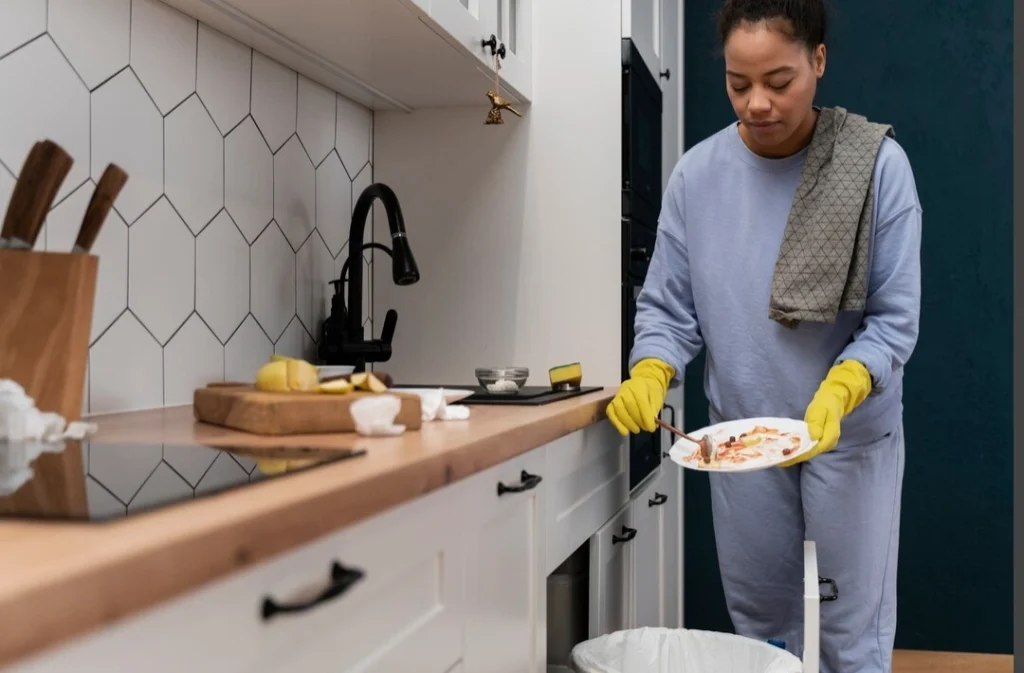
The first thing in your Cleaning Priorities list is the kitchen and the bathroom. These rooms experience the greatest moisture, food residue, and high-touch areas – a perfect environment in which to proliferate bacteria, mould,, and odor accumulation. That is why the largest hygiene return is purchased by professional attention.
A pro clean does not just mean wiping surfaces in the kitchen, it requires the process of degreasing hobs, washing inside appliance lids (oven, fridge seal), and descaling kettles and sanitising worktops where raw food is processed.
The bathrooms are favored by grout, limescale, shower screens, extractor fans, and sanitary fittings, which, for DIY wipes, cannot be easily covered and first observed by agents or inspectors. The reason why the NHS and industry guidelines focus on cleaning high-contact and wet surfaces regularly is that they minimize the transfer of organisms between individuals and surfaces.
How often? Most of the households that cook regularly and use the kitchen and bathroom regularly would want to have the kitchen and bathrooms cleaned by a professional at least once every month, with the most frequented areas (surfaces, sinks, toilets) being cleaned once a week or more so in the busy households.
When there are small children, at-risk residents, or when you entertain a lot, the number of professional visits should be increased: having a washroom and kitchen cleaned out every 2 weeks will ensure that dirt does not set in. The BICSc standards applied in professional contracts suggest outcome-based cleaning in such rooms to achieve hygiene expectations, as well.
Secondary Priority: Living Areas, Entryways, and High-Touch Zones

Then there are living rooms, corridors, and every touch point that binds your house together. These surfaces influence day-to-day discomfort and aesthetics: carpets, sofas, rugs, and curtains gather dust, allergens, and pet hair, whereas doors, switches on lights, remote controls, and handrails are all areas that are touched by each of us dozens of times every day.
High-touch surface industry guidelines include cleaning at least once per day in busy places or at least several times a week at home because of the transfer of germs, which is an easy guideline to As far as living quarters are concerned, professional cleaning activities must incorporate HEPA vacuuming (to prevent fine dust and pet dander), upholstery, steam cleaning of high-traffic carpets and spon treatment where necessary.
Professional deep cleaning of carpets, upholstery should be recommended after 6-18 months of traffic and pets, periodic work in case someone in your house has an allergy.
An effective solution would be to pay visits every two weeks or every month to the busy homes just to have the dust and filth removed, because every two weeks may not be budget-friendly, and that is why it should be rotated; one day the communal rooms and the following day the bedrooms.
Entryways deserve special attention: they’re the first line for outdoor dirt. A professional service that cleans mats, sweeps thresholds and treats floor grouting monthly will make a noticeable difference on wet Manchester days.
Conclusion — A Practical Step-by-Step Cleaning Priorities Plan
Here is an easy and real-life step-by-step plan you may follow to implement Cleaning Priorities into action and determine the frequency of hiring professionals:
- Evaluate your home – pets, small children, allergies, time of day shifts or frequent visitors. High needs = higher frequency.
- Top tier (weekly–fortnightly professional focus): Kitchens and bathrooms. In case you can afford pro maintenance in these rooms every week, then do it; otherwise, once in two weeks in case of busy households, or once in a month in low traffic homes. (Still High-touch sanitation by householders daily)
- Second tier (monthly–quarterly professional focus): Living spaces, doors and high-contact surfaces. Request the professionals to add HEPA vacuuming, upholstery spot treatment and a thorough wipe of switches/handles to the visit. In case of heavy pet hair or frequent visitors, change to every fortnight.
- Third tier (every 6–18 months): Deep carpet cleaning, curtain or blind cleaning and mattress cleaning. These bigger jobs make the assets last longer and have fewer allergens – modify the cadence to your needs – traffic and allergy.
- Keep an evidence-based checklist: BICSc outcome criteria is a good template on which you can base your discussion on the scope with a cleaner, since it will assist you define measurable outcomes so that you and your colleagues can agree on the definition of clean.
Some easy tricks to make the most of your budget without compromising hygiene: alternate professional attention every visit (kitchen/bathroom one week, living/bedrooms the next); insist the professional use colour-coded cloths and HEPA vacuums; and ensure that the high-contact areas are cleaned daily at home between visits.
By observing these Cleaning Priorities, you not only ensure healthy environments, but also conserve fabrics and finishes and keep your home in the best condition possible, without spending money on standard, non-targeted cleans.



0 Comments